Dark fantasy and light fantasy are not opposites in the sense of two sealed genres. They are tonal tendencies. Both can contain magic, quests, invented worlds, monsters and mythic structures, but dark fantasy emphasizes dread, moral instability, corruption or horror, while light fantasy usually gives greater space to wonder, play, comfort, adventure or hopeful resolution.
The distinction becomes useful when it describes the reading experience rather than the amount of darkness on the page. A fantasy novel can contain death and still feel fundamentally light; another can contain humor and still be dark because its world treats identity, power and survival as deeply unstable.
What is dark fantasy?
Dark fantasy is fantasy shaped by horror, dread, moral ambiguity or a persistent sense that the marvelous is dangerous. The supernatural is not merely a source of possibility. It can deform bodies, compromise choices, expose hidden violence or make the world less secure.
LORE’s broader guide to dark fantasy explores the mode as a whole. For comparison, the key feature is tonal gravity. Dark fantasy often asks what magic costs, what power does to the person using it, and whether victory can leave the world or protagonist permanently damaged.
Magic with consequences
Magic in dark fantasy frequently has a price. The price may be physical, ethical, social or psychological. A spell can solve an immediate problem while creating a worse one. Knowledge may grant power and remove innocence at the same time.
Unstable morality
Heroes may be compromised, institutions corrupt and apparently noble goals dangerous. This does not mean every character must be cynical. In fact, compassion can become more meaningful when the surrounding world makes it difficult.
Horror inside fantasy
Dark fantasy often borrows directly from horror: haunted places, transformations, predatory supernatural beings, body horror, curses and the fear of the unknown. The fantasy framework allows those elements to exist openly rather than breach an otherwise realistic world.
What is light fantasy?
Light fantasy generally emphasizes wonder, accessibility, adventure, humor or emotional reassurance rather than sustained dread. Conflict still matters, but the story’s dominant imaginative effect is less oppressive.
“Light” does not mean childish, shallow or free of serious subjects. A light fantasy can address grief, loneliness or injustice while maintaining warmth and a belief that relationships, ingenuity or courage can make meaningful differences. Tone is created by proportion: how long the narrative dwells on suffering, what consequences feel permanent, and what emotional promise the story makes to its reader.
Wonder before dread
A magical forest in light fantasy may invite exploration even when it contains risks. In dark fantasy, the same forest may make every path feel like a trap. The object is identical; the narrative relationship to it changes.
Restorative possibility
Light fantasy often allows damaged communities, relationships or worlds to be repaired. The ending need not be perfectly happy, but restoration feels imaginable. Dark fantasy is more likely to make scars part of the final condition.
What is the main difference between dark fantasy and light fantasy?
The main difference is the emotional contract with the reader: dark fantasy makes the fantastic threatening or morally costly, while light fantasy makes it primarily wondrous, adventurous or restorative. Plot elements alone cannot reliably determine the category.
| Feature | Dark fantasy | Light fantasy |
|---|---|---|
| Dominant tone | Dread, unease, severity | Wonder, warmth, play, adventure |
| Magic | Often costly, corrupting or dangerous | Often enabling, delightful or manageable |
| Morality | Frequently ambiguous | Often clearer, though not necessarily simple |
| Violence | Consequences may be emphasized | May be present but less tonally dominant |
| Resolution | Victory can be partial or damaging | Restoration and reassurance are more common |
These are tendencies, not laws. A work can move between them, and many of the most interesting fantasies do.
Is dark fantasy the same as horror?
No. Dark fantasy uses fantasy as its governing imaginative framework while incorporating horror’s atmosphere, imagery or emotional effects. Horror primarily organizes the reader’s experience around fear, dread or violation; dark fantasy may give equal weight to world-building, adventure and the fantastic.
The border is porous. A story about a cursed kingdom can be marketed as horror, dark fantasy or both depending on emphasis. Genre labels describe clusters of expectations rather than chemical compositions.
The connection becomes particularly visible in Gothic fiction, where supernatural possibility, decaying settings and inherited secrets can feed both horror and fantasy traditions.
Is grimdark the same as dark fantasy?
No. Grimdark is a narrower label commonly associated with harsh worlds, compromised characters, political brutality and skepticism toward heroic ideals; dark fantasy is broader and can be intimate, Gothic, mythic or supernatural without being grimdark.
A dark fantasy may center on one haunted family or a single cursed village. It may feature a sincerely heroic protagonist. Grimdark more often foregrounds systemic violence and morally compromised power structures. There is overlap, but treating the terms as synonyms erases a large portion of dark fantasy.
Can dark fantasy have a happy ending?
Yes. A happy or hopeful ending does not erase the darkness that shaped the story. What matters is whether the work honestly accounts for its costs.
A protagonist can defeat a curse and reunite with family while still carrying memories of what happened. A kingdom can survive without returning to innocence. Hope may actually feel stronger in dark fantasy because it has been tested by conditions that made despair plausible.
Conversely, a tragic ending does not automatically make a work dark fantasy. A light-toned adventure can end sadly. Classification depends on the sustained texture of the story, not the final page alone.
Can light fantasy contain violence or death?
Yes. Light fantasy can contain serious danger, death and grief if those elements do not dominate the work’s emotional atmosphere. The treatment matters more than the event count.
Consider two stories with identical battles. One lingers on bodily damage, moral compromise and trauma; the other focuses on ingenuity, camaraderie and the restoration that follows. Their plot summaries may look similar while their reading experiences are radically different.
This is why simple content checklists fail. Darkness is not measured by counting corpses, just as lightness is not measured by counting jokes.
Where does Gothic fantasy fit?
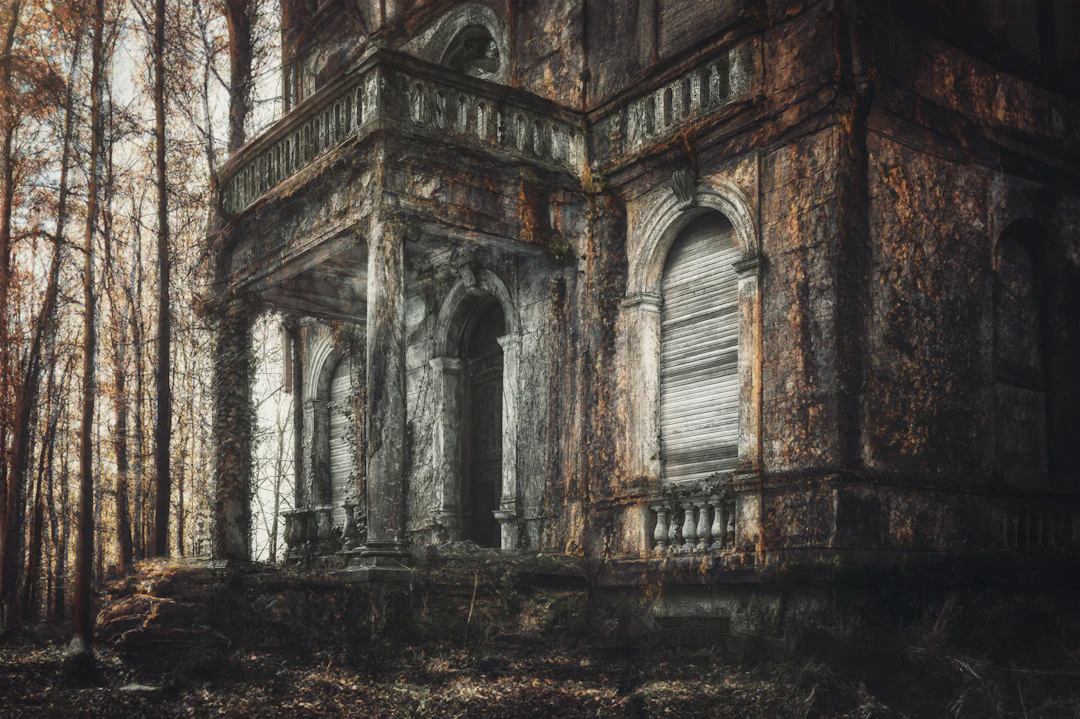
Gothic fantasy often sits on the dark side of the spectrum because it combines the fantastic with haunted spaces, inherited secrets, emotional extremity and the return of the past. Yet Gothic aesthetics can also be romantic, playful or lush rather than purely frightening.
Castles, ruins, family histories and forbidden rooms create pressure because they make the environment carry memory. The setting appears to know more than the protagonist. When fantasy adds overt magic, the metaphorical haunting can become literal without losing its Gothic structure.
Where does cosmic horror fit into dark fantasy?
Cosmic horror can enter dark fantasy when a fantasy world contains powers or realities that exceed the characters’ cosmology and reduce familiar magic to a small part of something larger. The overlap is strongest when wonder turns into ontological uncertainty.
A fantasy setting may have named gods and reliable spells. Cosmic pressure begins when characters discover that those systems are incomplete—perhaps the gods themselves fear something older, or magic is a local effect of a process no culture understands. LORE’s cosmic horror pillar explains that decentering effect in detail.
How can you tell which kind of fantasy you are reading?
Ask what the fantastic repeatedly makes you feel and what consequences the story treats as lasting. Tone, moral structure and the cost of magic are stronger indicators than surface imagery.
Look at the first major magical encounter
Is magic presented as invitation, puzzle, tool, temptation or violation? The first encounter often establishes the story’s emotional grammar.
Look at what power costs
If power repeatedly demands sacrifice or corrodes identity, the work leans dark. If skill and knowledge make magic increasingly manageable, the tone may be lighter.
Look at recovery
After danger passes, does the story allow characters to recover? Dark fantasy often makes consequences accumulate. Light fantasy more often creates breathing room and renewal.
Look at moral certainty
A clear villain does not make a work light, and ambiguity does not automatically make it dark. But persistent uncertainty about whether any available choice is clean is a common dark-fantasy pressure.
Why do the categories overlap?
They overlap because tone can change within a single work, series or even scene. Fantasy is especially capable of tonal movement because the marvelous can inspire awe and fear at the same time.
A friendly magical marketplace can lead into a disturbing ritual. A grim kingdom can contain moments of domestic warmth. Readers often remember these contrasts more vividly than a uniform tone because each side intensifies the other.
The wider field of weird fiction demonstrates the same resistance to rigid borders. Weird stories often borrow from fantasy and horror while refusing to settle comfortably into either.
Which should you read?
Choose dark fantasy when you want the fantastic to feel dangerous, morally complicated or haunted; choose light fantasy when you want wonder, adventure or emotional restoration to dominate. If you enjoy both, look for works that deliberately shift between comfort and dread.
The labels are maps, not verdicts. Their value lies in helping readers articulate why two stories with similar ingredients can feel completely different. Dark fantasy asks what happens when magic deepens the shadows already present in human life. Light fantasy asks what becomes possible when the impossible opens a door.
Both can be sophisticated. Both can be frightening or moving. The difference is where each places its imaginative weight.